
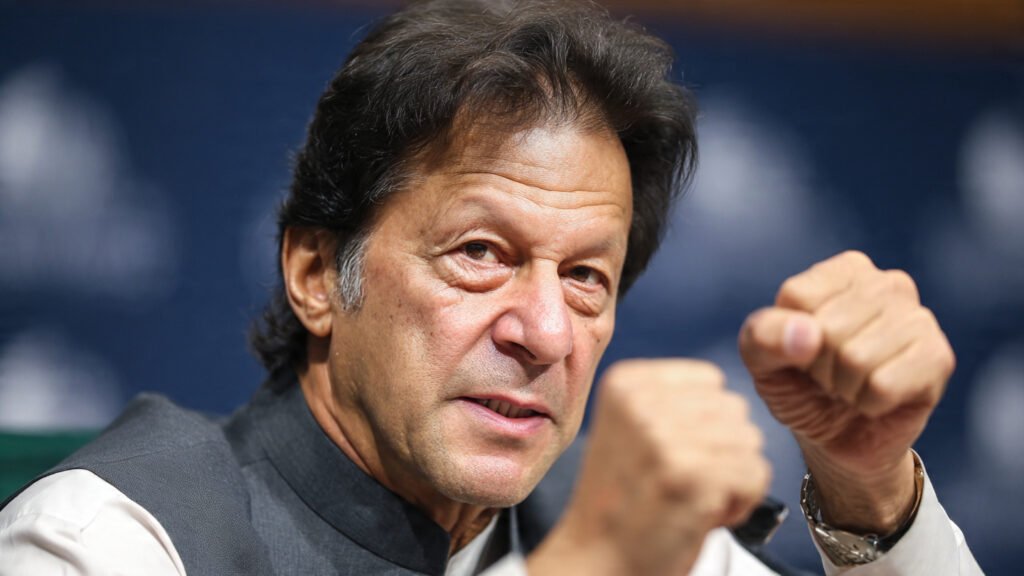
Imran Khan in Prison: Why Pakistan’s Political Crisis Now Matters Globally
Pakistan’s political uncertainty has entered a new and sensitive phase. What once looked like a domestic power struggle between political parties and institutions is now influencing how the world views the country’s stability and direction. The continued imprisonment of former Prime Minister Imran Khan is no longer just a legal or internal political matter—it is shaping Pakistan’s foreign relations, economic confidence, and regional partnerships.
Today, Pakistan sits at a strategic crossroads between Iran, China, and the United States, while also preparing for the possibility of a second Donald Trump presidency. In this environment, political stability is more than a domestic requirement. It is a diplomatic necessity.
Many observers now believe that how Pakistan handles the Imran Khan prison issue could determine how strongly it positions itself in the rapidly changing geopolitical landscape of South Asia and the Middle East.
Why Imran Khan’s Imprisonment Matters Beyond Pakistan’s Borders
Imran Khan remains one of Pakistan’s most popular political leaders despite being removed from office and jailed. His continued influence inside the country means his political absence creates uncertainty not only for voters but also for foreign governments trying to understand Pakistan’s future direction.
International partners prefer engaging with governments that appear stable and widely supported by their citizens. When a major political figure with strong grassroots backing is sidelined, questions naturally arise about democratic representation and long-term policy continuity.
This situation affects how Pakistan negotiates trade agreements, security cooperation, and diplomatic partnerships. It also shapes investor confidence. Foreign investors tend to avoid countries where political disputes dominate headlines because instability increases financial risk.
As a result, the debate surrounding Imran Khan’s imprisonment has quietly become a global issue rather than a purely domestic controversy.
Pakistan’s Relationship With Iran Is Becoming More Important
Pakistan shares a long and sensitive border with Iran, making cooperation between the two countries essential for regional peace and economic development. Energy trade, border security coordination, and transportation corridors all depend on steady diplomatic engagement between Islamabad and Tehran.
However, political instability inside Pakistan complicates these efforts. When leadership appears divided or uncertain, it becomes harder to maintain consistent foreign policy commitments. Iran, like any neighbouring country, prefers predictable partners.
At the same time, Iran’s regional role is expanding due to ongoing Middle East tensions and shifting alliances. This creates both opportunities and risks for Pakistan. Strong coordination with Iran could improve regional trade connectivity and security cooperation. Yet these benefits depend heavily on political stability inside Pakistan itself.
That is why the Imran Khan prison situation now indirectly affects Pakistan’s western border diplomacy.
The Possibility of Donald Trump Returning to Power Changes Everything
Another factor increasing the importance of Pakistan’s political stability is the potential return of Donald Trump to the White House. During his previous presidency, Trump adopted a direct and transactional approach toward Pakistan, especially regarding security cooperation and regional counterterrorism priorities.
His administration frequently pressured Pakistan to demonstrate stronger commitments in areas linked to Afghanistan and regional security. If he returns to office, a similar strategy could reappear.
In such a scenario, Pakistan would need strong and unified political leadership to respond effectively. A divided political environment weakens negotiating power and limits diplomatic flexibility.
This makes the Imran Khan political crisis more than an internal matter—it becomes part of Pakistan’s preparation for possible shifts in US foreign policy.
Political Stability Shapes Pakistan’s Economic Recovery
Pakistan’s economy continues to face serious challenges, including inflation pressure, external debt obligations, and the need for international financial cooperation. Economic reform requires confidence—not only among citizens but also among global lenders and investors.
Political tensions slow reform progress because uncertainty discourages long-term commitments from international partners. When governments appear distracted by internal conflict, economic diplomacy becomes less effective.
The imprisonment of a major opposition leader contributes to this uncertainty. Whether supporters agree or disagree with Khan’s policies, his political influence cannot be ignored. Stability improves when all major political voices participate within institutional frameworks rather than outside them.
As a result, resolving tensions around Imran Khan’s legal and political status could support Pakistan’s economic credibility abroad.
Pakistan’s Military and Civilian Leadership Must Work Together
Pakistan has historically relied on cooperation between civilian governments and the military establishment to shape national strategy. This relationship has influenced both domestic politics and foreign policy decisions for decades.
Today’s regional environment makes coordination even more important. Rising tensions in the Middle East, evolving US priorities, and competition between global powers require a unified national response.
Excluding influential political actors complicates that process. A fragmented political system weakens consensus-building at exactly the moment when strategic clarity is needed most.
Many analysts, therefore, believe that managing political disagreements through democratic mechanisms rather than prolonged confrontation would strengthen Pakistan’s international position.
How Global Powers Are Watching Pakistan’s Political Direction
Foreign governments closely monitor political developments inside Pakistan because the country plays a key role in regional security and trade connectivity. Its relationships with China, Iran, the United States, and Gulf states place it at the centre of multiple strategic partnerships.
When a major political leader remains imprisoned during a period of intense political polarisation, international observers naturally evaluate what that means for democratic continuity.
Perception matters in diplomacy. Even when legal decisions are internally justified, external interpretations shape how allies and investors respond.
This explains why the Imran Khan prison debate is attracting attention far beyond Pakistan’s borders.
Public Support for Imran Khan Continues to Influence Politics
Despite legal challenges and removal from office, Imran Khan continues to enjoy strong support among large sections of Pakistan’s population. Political rallies, social media engagement, and voter behaviour all demonstrate that his influence remains significant.
This support creates a complicated political reality. Ignoring a leader with substantial public backing does not make his influence disappear. Instead, it shifts political competition into more confrontational spaces.
Democratic systems function best when disagreements are resolved through elections rather than prolonged institutional conflict. Many observers believe that restoring electoral competition would help reduce tensions and strengthen national unity.
Because of this, the debate surrounding Imran Khan’s imprisonment continues shaping Pakistan’s democratic trajectory.
Pakistan’s Strategic Future Depends on Political Inclusion
Pakistan’s geographic position gives it enormous strategic importance. It connects South Asia, Central Asia, and the Middle East while maintaining relationships with several major global powers.
To benefit from this position, the country needs stable governance structures capable of managing complex diplomatic relationships. Political inclusion strengthens these structures because it ensures that decisions reflect broader public consensus.
At a time when regional alliances are shifting quickly, Pakistan cannot afford prolonged uncertainty at home. Every internal development now sends signals internationally.
How Pakistan handles the Imran Khan prison issue will influence not only domestic politics but also its credibility in global diplomacy.
Why the Current Moment Is Critical for Pakistan’s Global Role
The world is entering a period of rapid geopolitical change. Conflicts in the Middle East, uncertainty surrounding US leadership, and expanding regional partnerships are reshaping international priorities.
Pakistan’s response to these changes will determine how effectively it protects its interests and strengthens its partnerships. Political cohesion improves diplomatic leverage. Public legitimacy improves negotiating strength.
The decisions made today regarding political participation, accountability, and institutional cooperation will shape Pakistan’s international standing for years to come.
For that reason, the situation surrounding Imran Khan’s imprisonment is no longer just a legal story. It has become a defining moment in Pakistan’s political future and its evolving role on the global stage.

