
Israel–Trump–Iran Truce 2026: A Fragile Ceasefire That Could Reshape Middle East Power Politics
A Ceasefire That Stops War—but Not the Crisis
The Israel–Trump–Iran truce of April 2026 has quickly become one of the most important geopolitical developments of the year. After weeks of rising tensions between the United States, Iran, and regional actors, a short-term ceasefire agreement helped prevent what many analysts feared could become a full-scale Middle East war.
However, the agreement is not a permanent solution. Instead, it represents a temporary pause in hostilities that leaves major strategic disagreements unresolved. The ceasefire highlights shifting alliances, growing regional risks, and a new phase of diplomacy involving Washington, Tehran, and Tel Aviv.
Understanding the implications of this truce is essential because its outcome may influence global oil markets, nuclear negotiations, and the future balance of power across the Middle East.
What Triggered the Israel–Trump–Iran Truce?
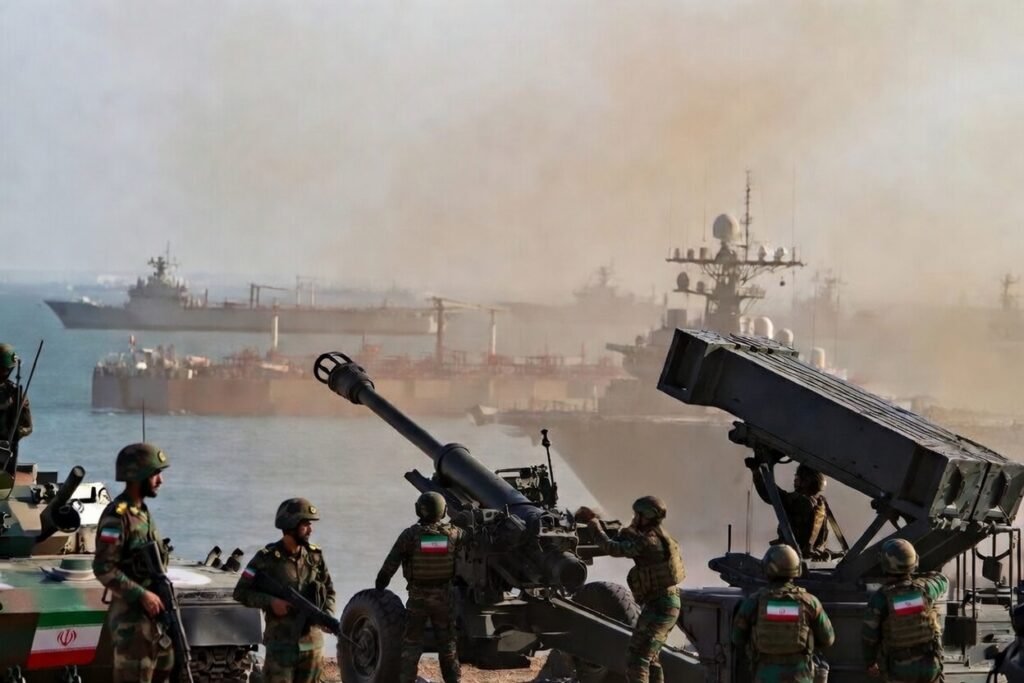
The ceasefire emerged after weeks of military escalation between the United States and Iran. Rising tensions followed regional clashes involving proxy groups, naval incidents near strategic waterways, and warnings from both sides about possible retaliation.
As the situation intensified, fears grew that the conflict could spread across several countries, including Lebanon and Syria. Diplomatic channels were activated urgently to prevent escalation.
The result was a short-term truce agreement intended to:
- stop immediate military confrontation
- reduce pressure on regional allies
- stabilize global energy markets
- create space for negotiations
While the ceasefire helped avoid immediate conflict, it did not resolve deeper disputes between the parties.
Why the United States Supported the Ceasefire
For the United States, the truce served multiple strategic purposes.
First, it reduced the risk of direct military confrontation with Iran. A full-scale conflict would have threatened American troops in the region and disrupted global trade routes.
Second, the agreement allowed Washington to maintain diplomatic leverage while avoiding political and economic costs associated with prolonged war.
Third, the ceasefire created an opportunity for renewed negotiations related to Iran’s nuclear program and regional influence.
From a strategic perspective, the agreement gave the United States breathing space without requiring major concessions.
Israel’s Position: Supportive but Independent
One of the most important aspects of the Israel–Trump–Iran truce is Israel’s unique position within the agreement.
Although Israel supported diplomatic efforts to reduce tensions between Washington and Tehran, Israeli leadership emphasised that the ceasefire does not restrict its military operations against Hezbollah in Lebanon.
This distinction is critical.
Israel views Hezbollah as one of its most serious security threats. Therefore, maintaining operational flexibility against Hezbollah remains a priority regardless of broader ceasefire arrangements involving Iran.
As a result, Israeli air operations continued in some areas even after the agreement took effect, raising concerns that the truce could collapse if regional tensions rise again.
Iran’s Strategic Objectives After the Ceasefire
Iran also benefited from the truce in several important ways.
Most importantly, the agreement helped Tehran avoid direct military confrontation with the United States at a time of high regional pressure. Preventing escalation allowed Iran to preserve military resources and diplomatic positioning.
At the same time, Iran maintained its influence across the region through allied groups and strategic partnerships.
Tehran’s leadership signalled that the ceasefire should lead to broader negotiations on sanctions and nuclear policy. However, officials also warned that continued attacks by regional rivals could weaken the agreement.
This shows that Iran views the truce as a temporary step rather than a long-term settlement.
The Role of Proxy Groups in the Conflict
A major challenge facing the Israel–Trump–Iran truce is the continued activity of regional proxy groups.
Groups aligned with Iran remain active across multiple countries, especially in Lebanon and parts of Syria. Their actions can influence whether the ceasefire holds or collapses.
Proxy conflicts are particularly dangerous because they allow indirect confrontation between major powers without formal war declarations.
If tensions involving these groups increase, the fragile ceasefire could face serious pressure in the coming weeks.
Why Lebanon Remains a Key Flashpoint
Lebanon plays a central role in the future of the ceasefire.
Israel’s continued operations against Hezbollah targets inside Lebanon highlight the limits of the current agreement. Some negotiators expected Lebanon to be included in the ceasefire framework, but interpretations differed among the parties involved.
This disagreement has created uncertainty about the geographic scope of the truce.
As long as military activity continues in Lebanon, the possibility of escalation remains high.
Global Oil Markets React to the Truce
Energy markets closely monitored developments surrounding the Israel–Trump–Iran truce.
The Middle East remains one of the world’s most important energy-producing regions. Any conflict involving major powers near strategic shipping routes can quickly influence oil prices.
Before the ceasefire announcement, fears of disruption near critical maritime corridors increased market volatility.
After the agreement, markets stabilised slightly, but uncertainty remains because the truce is temporary.
Investors continue to watch regional developments carefully, especially movements near key trade routes connecting the Gulf region to global markets.
Pakistan’s Quiet Diplomatic Contribution
An important but less discussed aspect of the truce involves diplomatic mediation by regional partners.
Pakistan played a supportive role by encouraging dialogue and helping facilitate communication between parties during the crisis.
This diplomatic involvement strengthened Pakistan’s reputation as a stabilising actor capable of supporting negotiations during periods of regional tension.
Such engagement also highlights Islamabad’s growing diplomatic relevance beyond South Asia.
Why the Ceasefire Is Still Fragile
Despite its success in preventing immediate escalation, the Israel–Trump–Iran truce remains highly fragile.
Several unresolved issues continue to threaten stability:
- disagreements over regional proxy activity
- uncertainty about Lebanon’s role in the agreement
- unresolved nuclear negotiations
- ongoing sanctions disputes
- competing security priorities among regional powers
Each of these challenges has the potential to weaken the agreement if not addressed through continued diplomacy.
This is why analysts describe the truce as a pause in conflict rather than a final solution.
How the Truce Could Shape the Future of the Middle East
The long-term impact of the Israel–Trump–Iran truce depends on what happens next.
If negotiations continue successfully, the agreement could become the foundation for broader regional stability. Diplomatic engagement might reduce tensions and open new opportunities for cooperation.
However, if violations occur or proxy conflicts intensify, the ceasefire could collapse quickly and lead to renewed confrontation.
The coming months will determine whether the agreement becomes a turning point in Middle East diplomacy or simply another temporary pause in a long-running rivalry.
Conclusion: A Tactical Pause with Global Consequences
The Israel–Trump–Iran truce of 2026 represents a major diplomatic moment in Middle East politics. It reduced immediate risks of escalation and created space for negotiations, but it did not resolve the deeper strategic conflicts shaping the region.
Israel’s continued security operations, Iran’s regional influence strategy, and unresolved nuclear tensions all remain important challenges.
For now, the ceasefire offers hope—but not certainty.
Its success will depend on whether diplomacy can move faster than conflict in one of the world’s most sensitive geopolitical regions.

