Prisoner Number 804: Why Imran Khan’s Jail Case Is Reshaping Pakistan’s Political Landscape
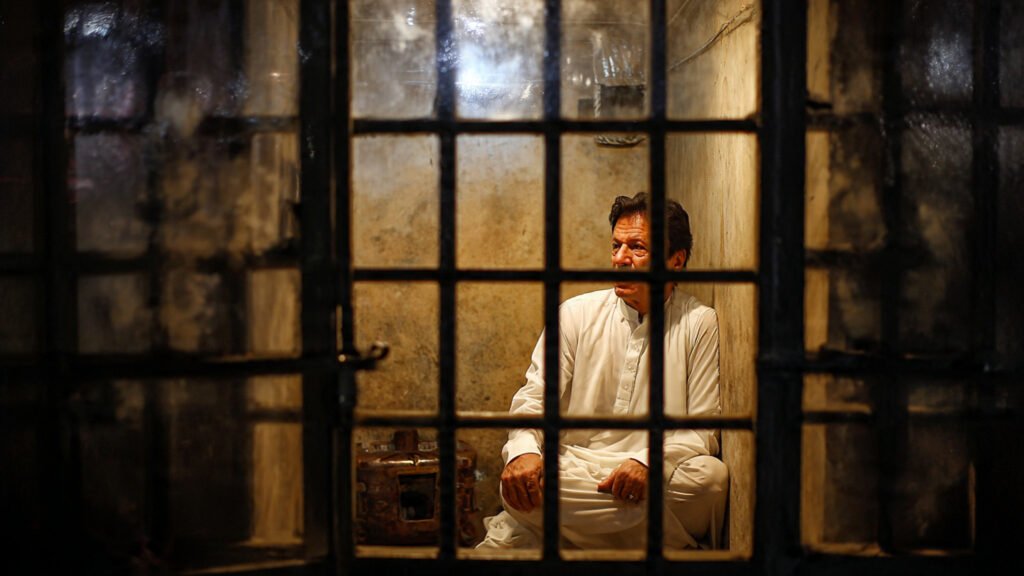
Pakistan’s political climate has always been intense, unpredictable, and deeply emotional—but the phrase “Prisoner Number 804” has added an entirely new layer to the national conversation. What started as a routine prison identification label for former Prime Minister Imran Khan has quickly turned into one of the most talked-about political symbols in Pakistan today.
Across social media platforms, political discussions, and even everyday conversations in homes and universities, the phrase Prisoner Number 804 now represents far more than a detention record. For many supporters, it symbolises resistance. For critics, it reflects accountability. And for neutral observers, it highlights Pakistan’s ongoing struggle between civilian leadership and institutional authority.
Understanding why this number has captured public attention requires looking beyond headlines. It involves examining the legal battles, political tensions, public reactions, and historical patterns that continue shaping Pakistan’s democratic journey.
Why “Prisoner Number 804” Became a Trending Political Symbol
Political identifiers rarely become cultural symbols overnight. Yet Prisoner Number 804 has achieved exactly that. The phrase began appearing widely after reports confirmed that authorities were referring to Imran Khan by his prison identification number rather than his name in official proceedings and detention records.
Supporters interpreted this shift as an attempt to reduce the visibility and identity of one of Pakistan’s most influential political figures. Whether that interpretation is accurate or not, the reaction it generated has been powerful. Social media platforms like X (formerly Twitter), TikTok, and Facebook quickly filled with hashtags referencing 804, turning it into a digital rallying point.
In political history worldwide, moments like this often transform leaders into symbols rather than individuals. Nelson Mandela’s prisoner identity on Robben Island became legendary decades later. Similarly, many Pakistanis now associate Prisoner Number 804 with political resistance rather than incarceration alone.
This transformation explains why search interest for keywords like Imran Khan jail news, Prisoner Number 804 Pakistan, and Imran Khan latest updates 2026 has increased significantly in recent weeks. The number itself has evolved into shorthand for a broader debate about justice, democracy, and institutional influence.
The Legal Cases Behind Imran Khan’s Imprisonment
To understand the significance of Prisoner Number 804, it is important to examine the legal cases that led to Imran Khan’s imprisonment. Authorities maintain that the cases against him follow constitutional procedures and judicial rulings. These include corruption allegations, asset disclosures, and other legal challenges filed over several years.
Supporters of Imran Khan, however, strongly disagree with this narrative. They argue the cases are politically motivated and part of a broader effort to remove him from active politics. This disagreement is central to why the number 804 has become emotionally charged rather than simply administrative.
Legal experts in Pakistan often highlight how high-profile political trials tend to influence public perception more than technical court arguments. When a former prime minister is repeatedly summoned, arrested, or sentenced, the event rarely stays limited to courtroom discussions. It becomes a national debate.
That debate has intensified since Khan’s imprisonment, especially among young voters who already viewed him as a reform-focused leader challenging traditional political elites. For them, Prisoner Number 804 represents unfinished political change rather than a closed legal chapter.
The Role of Pakistan’s Establishment in the Political Crisis
One cannot discuss Prisoner Number 804 without addressing the longstanding relationship between Pakistan’s civilian governments and its powerful military establishment. Since independence in 1947, this relationship has shaped nearly every major political transition in the country.
Imran Khan himself previously maintained a working relationship with the establishment during his tenure as prime minister from 2018 to 2022. However, that relationship reportedly deteriorated over time, eventually leading to political tensions that culminated in his removal through a parliamentary vote of no confidence.
Supporters believe his imprisonment reflects that breakdown. Critics argue the situation reflects legal accountability rather than institutional conflict. Regardless of interpretation, the discussion surrounding Prisoner Number 804 and Pakistan politics cannot be separated from this broader historical context.
Pakistan’s democratic structure continues evolving, and moments like these often become turning points that redefine political expectations for future governments.
How Social Media Turned Prisoner Number 804 Into a Movement
Social media has played a major role in transforming Prisoner Number 804 into a recognisable political slogan. Within days of the phrase appearing in headlines, it began trending across multiple platforms.
Young Pakistanis, especially overseas communities, quickly adopted the number as a symbol of political identity. Profile pictures changed. Hashtags multiplied. Online discussions intensified. Even people who were not traditionally involved in political debates started sharing posts referencing the number.
Digital activism has become one of the strongest tools in Pakistan’s political environment over the last decade. Movements increasingly begin online before spreading into physical gatherings and demonstrations.
The rise of Prisoner Number 804 trending Pakistan as a keyword reflects how digital spaces now shape political narratives faster than traditional media outlets ever could.
Public Reaction Across Pakistan and the Overseas Diaspora
Public reactions to Imran Khan’s imprisonment remain deeply divided, yet highly engaged. Supporters continue organising rallies, awareness campaigns, and online discussions highlighting what they see as unfair treatment. Critics argue the legal process must continue without political pressure.
Interestingly, overseas Pakistanis have played a major role in keeping the issue visible internationally. Communities in the United Kingdom, United States, Canada, and the Middle East regularly discuss Imran Khan’s latest news through digital platforms and diaspora organisations.
Political analysts often note that overseas engagement increases global awareness of domestic issues. That awareness can shape diplomatic conversations and influence international perceptions of a country’s political environment.
In this case, Prisoner Number 804 has become recognisable not just inside Pakistan but among global audiences following South Asian politics.
Impact on Pakistan’s 2026 Political Environment
The timing of Imran Khan’s imprisonment has significant implications for Pakistan’s political future. Elections, party leadership structures, and coalition strategies are all influenced by his absence from active campaigning.
Political parties across the spectrum are adjusting their messaging accordingly. Some emphasise stability and governance continuity. Others highlight accountability and institutional strength. Meanwhile, PTI supporters continue framing Prisoner Number 804 as a symbol of unfinished democratic reform.
Political symbolism often shapes voter psychology more strongly than policy debates. When a leader becomes associated with resistance or sacrifice, that image can remain powerful long after legal cases conclude.
This dynamic explains why the phrase Prisoner Number 804 Pakistan elections impact continues to appear frequently in political analysis discussions
Why Prisoner Number 804 Still Matters in 2026
The phrase Prisoner Number 804 matters because it represents more than imprisonment. It reflects ongoing questions about leadership legitimacy, institutional authority, and democratic expectations within Pakistan.
Political identities often survive legal battles. In some cases, they become stronger because of them. Whether one supports or opposes Imran Khan, the widespread recognition of his prison identifier shows how deeply political narratives can influence national conversations.
Pakistan’s democracy has faced multiple turning points throughout its history. Each moment has contributed to shaping public expectations about governance, accountability, and representation.
Today, Prisoner Number 804 stands as one of those defining political symbols—one that continues influencing discussions across media platforms, universities, policy circles, and international forums alike.
Conclusion
The story behind Prisoner Number 804 reflects far more than a legal designation inside a correctional facility. It captures the emotional intensity of Pakistan’s political environment, the influence of digital activism, and the enduring popularity of one of the country’s most recognisable leaders. As Pakistan moves forward politically, the phrase will likely remain part of national discussions for years to come. Whether interpreted as a symbol of resistance, accountability, or institutional conflict, Prisoner Number 804 has already secured a place in Pakistan’s modern political narrative—and its impact is still unfolding.