Imran Khan’s imprisonment
The imprisonment of former Pakistan Prime Minister and cricket legend Imran Khan has become one of the most significant political and human-rights stories in South Asia in recent years. His detention since 2023 has raised concerns about judicial independence, political repression, prison conditions, and the future of democracy in Pakistan.
Why Imran Khan’s Imprisonment Matters
The imprisonment of Imran Khan is not just a legal issue. It is a story that blends politics, cricket history, civil rights concerns, and national identity. Khan remains one of the most influential figures in Pakistan’s modern history, having shaped both its sporting legacy and political landscape.
According to statements from his family and supporters, Khan has spent nearly 1,000 days in custody, much of it in solitary confinement. His detention conditions have drawn criticism from international observers, legal experts, and former cricket stars worldwide. Meanwhile, Pakistan’s government maintains that he is being treated fairly and lawfully.
Despite imprisonment and restrictions on communication, Khan continues to enjoy widespread popularity across Pakistan. His case highlights tensions between elected leaders, military influence, and the judiciary—an ongoing pattern in the country’s political history.
Solitary Confinement and Concerns About Prison Conditions
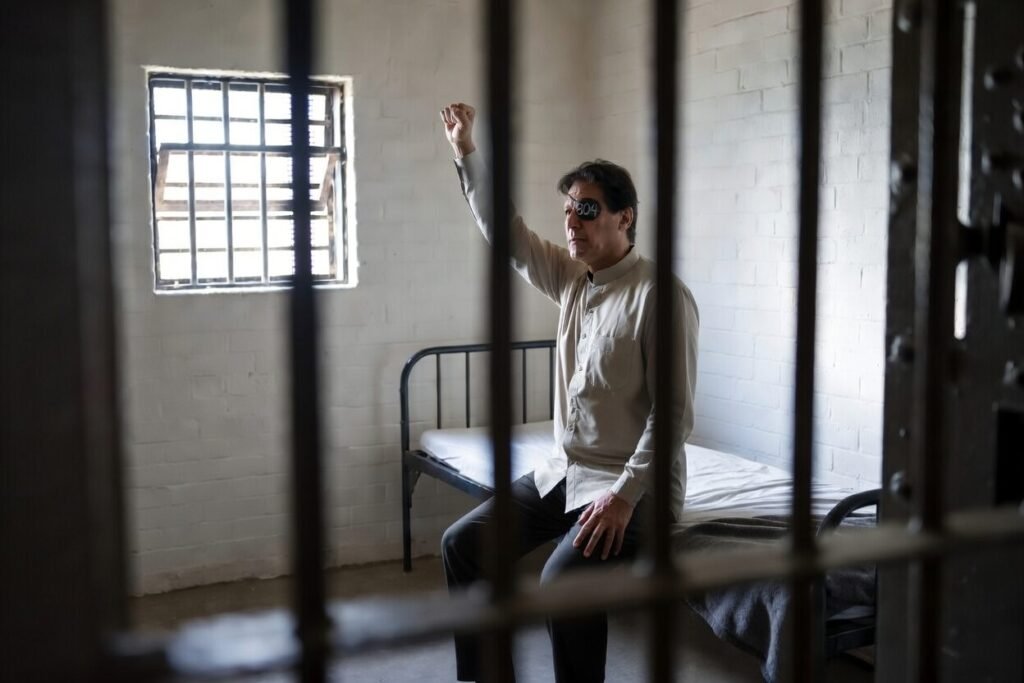
A major concern surrounding the Imran Khan imprisonment case involves the conditions of his detention. According to family members and legal representatives, he has been held in a cell typically reserved for death-row inmates at Rawalpindi’s Adiala Jail.
Reports suggest:
- He spends most of his time alone in an 8×10-foot cell
- Communication with family is heavily restricted
- Phone calls are irregular and unpredictable
- Access to reading materials is limited
- Medical treatment has reportedly been delayed
United Nations Special Rapporteur Alice Jill Edwards warned that prolonged solitary confinement could amount to psychological harm or torture, urging authorities to reconsider his treatment.
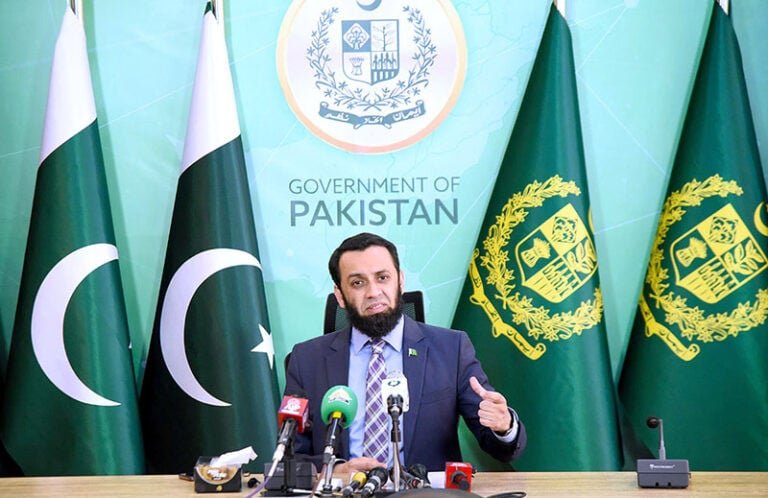
Government officials, however, strongly dispute these allegations. Pakistan’s Minister for Law and Justice claimed Khan is “the most privileged prisoner in Pakistan’s history”, suggesting he receives more facilities than ordinary inmates.
This sharp disagreement between authorities and international observers reflects broader uncertainty surrounding transparency in the case.
Health Concerns Raise International Attention
Another critical issue linked to Imran Khan’s imprisonment situation is his health.
His sons, Kasim and Sulaiman Khan, publicly stated that their father’s vision deteriorated due to a blood clot behind his eye, requiring specialist medical treatment. They also expressed concern about limited exposure to fresh air and sunlight.
Eventually, he was transferred briefly to a hospital for treatment, but family members suggested authorities were reluctant to allow extended medical care outside prison due to fears of public demonstrations.
Former England cricket captain David Gower described the situation as “inhumane,” reflecting growing concern among international sports figures. A joint letter signed by 14 prominent cricketers—including Sunil Gavaskar, Kapil Dev, Nasser Hussain, and Michael Atherton—called for improved detention conditions and proper medical support.
This unusual level of global sporting solidarity highlights Khan’s lasting influence beyond politics.
A National Icon: From Cricket Legend to Political Leader
Understanding the Imran Khan imprisonment case requires recognising his extraordinary legacy.
Khan first gained global recognition as Pakistan’s greatest cricket all-rounder. He led the national team to victory in the 1992 Cricket World Cup, one of the country’s proudest sporting achievements.
After retirement, he transitioned into philanthropy and politics:
- Founded Shaukat Khanum Cancer Hospital
- Established Pakistan Tehreek-e-Insaf (PTI) in 1996
- Built support as an anti-corruption reformist
- Became Prime Minister in 2018
Political analyst Osman Samiuddin compared his trajectory to Michael Jordan becoming President of the United States, illustrating the scale of his influence.
Even after imprisonment, Khan remains one of Pakistan’s most recognisable public figures.
Political Rise and Removal from Office
Khan’s political career centred on promises to combat corruption and challenge elite power structures. His message resonated strongly with younger voters and middle-income citizens.
As prime minister, his administration introduced:
- Universal healthcare programs in some provinces
- COVID-19 response policies praised internationally
- Social welfare initiatives targeting poverty
However, his government also faced economic challenges. Inflation rose above 10%, and Pakistan required a $6 billion IMF bailout, contradicting his earlier criticism of foreign financial assistance.
In 2022, he lost power after a parliamentary vote of no confidence, continuing Pakistan’s long-standing pattern where no prime minister has completed a full term in office.
Soon after, legal cases began to accumulate rapidly against him.
Legal Charges and Sentencing Explained
The legal framework surrounding the Imran Khan imprisonment case is extremely complex.
Although he faced more than 300 charges, only two resulted in convictions:
- Allegations related to selling state gifts received during office
- The Al-Qadir Trust case, involving land and financial irregularities
Together, these resulted in a 14-year prison sentence for Khan and seven years for his wife, Bushra Bibi.
His legal team argues that many cases were politically motivated, while government authorities insist they followed due judicial procedure.
This disagreement reflects deeper institutional tensions inside Pakistan’s governance system.
Restrictions on Communication With Family
Another emotional dimension of the Imran Khan imprisonment story involves limited contact with family members.
His sons live in the United Kingdom and report difficulty maintaining communication. Phone calls from prison often arrive without warning and sometimes fail to connect entirely.
They also applied for visas to visit Pakistan but received no response for months. Without updated identity documentation, they fear that travelling could expose them to legal risks.
According to them, conversations with their father rarely focus on his own condition. Instead, he asks about family members and encourages them to remain strong.
These personal details highlight the human cost behind political detention cases.
Attempts to Limit His Political Influence
Authorities reportedly restricted PTI’s participation in elections and prevented the party from using its cricket bat election symbol, which is especially important in a country with varying literacy levels.
Family members claim media outlets were also discouraged from mentioning Khan’s name or sharing statements attributed to him.
Despite these measures, his popularity remains strong across Pakistan. Supporters continue to publicly demand his release at sporting events and political gatherings.
Analysts suggest removing a figure with such national visibility from public discourse is extremely difficult.
Criticism of Khan’s Own Political Positions
While sympathy exists for his detention conditions, Khan remains a controversial political figure.
Critics highlight statements he made about:
- The Taliban takeover of Afghanistan
- Osama bin Laden
- Gender issues and sexual assault prevention
Political expert Nadir Cheema explained that while these positions appear far-right in Western contexts, they place him closer to centre-right within Pakistan’s political spectrum.
This distinction helps explain why international and domestic reactions to his imprisonment differ significantly.
Why Public Support Remains Strong
Despite legal cases and criticism, Khan continues to enjoy substantial popularity.
Several factors explain this:
- His cricket legacy
- Anti-corruption messaging
- Charismatic leadership style
- Position as an outsider challenging elites
- Sympathy generated by imprisonment
Some analysts even believe prison may have increased his political relevance rather than weakened it.
Interestingly, others argue detention might actually protect him physically, given previous assassination attempts.
The Role of Pakistan’s Judiciary and Military Establishment
Many observers believe Khan’s future depends heavily on Pakistan’s judicial system and military leadership.
His lawyer stated that progress in his case requires courts to “exercise their powers and dispense justice.” Meanwhile, political experts describe the situation as a confrontation between two strong personalities: Khan and the country’s military leadership.
Some alleged offers suggested he could gain release if he withdrew from politics. According to his family, he refused those proposals.
His son stated he would rather remain imprisoned than compromise his principles.
Prospects for Release: What Happens Next?
At present, there is no clear timeline for Khan’s release.
His legal appeals continue, but progress remains slow. Supporters hope increasing domestic pressure could eventually influence authorities.
Analysts suggest three possible scenarios:
- Judicial relief through appeals
- Political negotiation behind the scenes
- Continued long-term detention
Meanwhile, his health remains a central concern for both supporters and family members.
Emotional Impact on His Family
Perhaps the most powerful dimension of the Imran Khan imprisonment story is its emotional impact on his family.
His sons described constant anxiety caused by:
- Irregular communication
- Health concerns
- Rumours about his death
- Inability to visit him in person
They said uncertainty about his condition creates ongoing psychological strain. Even when phone calls occur, conversations often end abruptly without warning.
Their comments reflect the wider human consequences of prolonged political imprisonment.
Conclusion: A Defining Political Story in Modern Pakistan
The imprisonment of Imran Khan represents more than a legal dispute involving a former prime minister. It highlights deeper tensions between democratic institutions, military influence, public opinion, and judicial authority in Pakistan.
International concern about his detention conditions continues to grow, while his supporters remain active inside and outside the country. At the same time, critics argue that his political legacy is complex and controversial.
Whether his imprisonment strengthens or weakens his long-term political influence remains uncertain. What is clear is that his story continues to shape Pakistan’s political future and will likely remain central to national debate for years to come.