
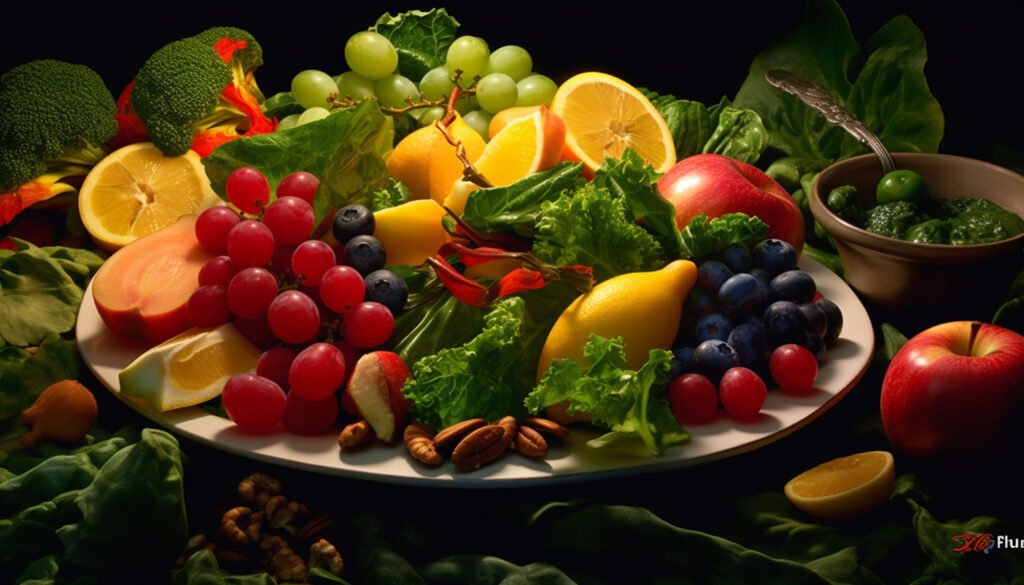
5 Fruits and Vegetables That Help Reduce Elevated Liver Enzymes Naturally
Elevated liver enzymes are often an early warning sign that your liver is under stress. These enzymes, mainly ALT and AST, leak into the bloodstream when liver cells are inflamed or damaged. While this might sound alarming, the good news is that in many cases, the condition can be improved through simple lifestyle and dietary changes. One of the most effective strategies is incorporating specific fruits and vegetables that help reduce elevated liver enzymes into your daily meals.
Your liver works tirelessly to detoxify your body, process nutrients, and regulate metabolism. When it becomes overloaded due to poor diet, alcohol, or underlying conditions like fatty liver disease, enzyme levels rise. According to nutrition expert Dr Nguyen Anh Duy Tung, a balanced, nutrient-rich diet plays a crucial role in restoring liver health and lowering enzyme levels. Let’s explore five powerful plant-based foods that can support your liver naturally.
1. Citrus Fruits for Natural Liver Detox
Citrus fruits like oranges, lemons, grapefruits, and mandarins are among the best foods for liver health. They are rich in vitamin C, a powerful antioxidant that helps reduce inflammation and oxidative stress in liver cells. These fruits also contain beneficial compounds such as flavonoids, beta-carotene, and lycopene, which protect the liver from damage caused by toxins and free radicals.
Another key benefit of citrus fruits is their high fibre content, which supports digestion and helps eliminate toxins from the body. This reduces the burden on the liver, allowing it to function more efficiently. For individuals with fatty liver, citrus fruits may help reduce fat accumulation and improve enzyme levels over time.
Adding citrus to your routine doesn’t have to be complicated. A glass of warm lemon water in the morning or a fresh orange as a snack can go a long way. These small habits, when practised consistently, can contribute significantly to better liver health.
2. Avocados and Healthy Liver Fats
Avocados are often praised as a superfood, and their benefits for liver health are impressive. They are loaded with omega-3 fatty acids, which help reduce inflammation and regulate cholesterol levels. This is particularly important for people dealing with fatty liver disease, where excess fat can impair liver function.
In addition to healthy fats, avocados are rich in vitamin E, a potent antioxidant that protects liver cells from oxidative damage. This protection helps lower liver enzyme levels and supports overall liver function. Studies suggest that regular consumption of avocados may also reduce the risk of liver inflammation.
The versatility of avocados makes them easy to include in your diet. You can add them to salads, blend them into smoothies, or simply spread them on whole-grain toast. Their creamy texture and mild flavour make healthy eating both enjoyable and effective.
3. Berries as Antioxidant Powerhouses
Berries such as blueberries, strawberries, raspberries, blackberries, and pomegranates are packed with nutrients that support liver health. They are rich in vitamins A, C, and E, along with polyphenols, which are natural compounds known for their strong antioxidant properties.
These antioxidants help neutralise free radicals, preventing damage to liver cells. This is especially important for individuals with chronic liver conditions, as oxidative stress can accelerate disease progression. Regular consumption of berries may also help reduce inflammation and improve liver enzyme levels.
What makes berries particularly appealing is how easy they are to incorporate into daily meals. You can add them to yoghurt, oatmeal, or smoothies, or enjoy them as a refreshing snack. Their natural sweetness also makes them a healthier alternative to sugary desserts, supporting both liver health and overall wellness.
4. Garlic and Its Detoxifying Compounds
Garlic is more than just a flavorful ingredient—it’s a powerful natural remedy for liver health. It contains allicin, sulfur compounds, and polyphenols, all of which play a role in detoxification and inflammation reduction. These compounds help stimulate enzymes that break down toxins and fats in the liver.
For individuals with fatty liver-related enzyme elevation, garlic can be particularly beneficial. It supports lipid metabolism, helping the liver process fats more efficiently and reducing fat buildup. This, in turn, can lead to lower liver enzyme levels.
Incorporating garlic into your diet is simple. You can add it to soups, stir-fries, or roasted vegetables. Some people even consume raw garlic for maximum benefits, though cooking it lightly still preserves many of its health properties. Consistency is key when it comes to seeing results.
5. Dark Leafy Greens for Liver Protection
Dark leafy greens such as spinach, bok choy, kale, and morning glory are essential for maintaining a healthy liver. These vegetables are rich in flavonoids, carotenoids, and sulforaphane, compounds that help protect liver cells from oxidative damage.
They are also high in fibre, vitamin C, and folate, which support digestion and overall metabolic health. Fibre, in particular, helps remove toxins from the digestive system, reducing the liver’s workload. Morning glory stands out for its content of carotene, iron, and vitamin C, all of which contribute to immune support and enzyme reduction.
Cruciferous greens like kale and bok choy contain indole compounds, which have been shown to help prevent and reduce fatty liver. Including a variety of leafy greens in your diet ensures you get a wide range of nutrients that support liver function.
Lifestyle Tips to Support Liver Health
While diet plays a major role, lifestyle habits are equally important in managing elevated liver enzymes. Drinking 1.5 to 2 litres of water daily helps flush toxins from the body and supports liver detoxification. Regular moderate exercise can improve metabolism and reduce fat accumulation in the liver.
It’s also important to limit or avoid alcohol, sugary foods, and saturated fats, as these can worsen liver inflammation. Maintaining a healthy weight and avoiding smoking further reduces stress on the liver. Vaccinations against hepatitis viruses can also provide additional protection.
Natural supplements like milk thistle (Silybum marianum) and Wasabia extracts have shown promise in supporting liver function. These botanicals help regulate immune activity in the liver, reduce inflammation, and enhance detoxification processes.
Conclusion
Incorporating the right foods into your daily routine can make a significant difference in managing elevated liver enzymes. Citrus fruits, avocados, berries, garlic, and dark leafy greens each offer unique benefits that support liver health, reduce inflammation, and promote detoxification. Combined with healthy lifestyle habits, these natural choices can help restore balance and protect your liver over time.
FAQs
1. What are the main causes of elevated liver enzymes?
Common causes include fatty liver disease, excessive alcohol consumption, obesity, certain medications, and viral infections like hepatitis.
2. How long does it take to lower liver enzyme levels?
It varies depending on the cause, but with proper diet and lifestyle changes, improvements can often be seen within a few weeks to months.
3. Can fruits alone reduce liver enzymes?
Fruits help significantly, but the best results come from a balanced diet combined with healthy lifestyle habits.
4. Is garlic safe to eat daily for liver health?
Yes, moderate daily consumption of garlic is generally safe and beneficial for liver function.
5. Should I consult a doctor for elevated liver enzymes?
Yes, it’s important to consult a healthcare professional to determine the underlying cause and receive appropriate guidance.

