US-Iran Deal 2026: What the Geneva Agreement Means for the World
After months of war, missile strikes, and a blockade that rattled global oil markets, the US-Iran deal 2026 has finally taken shape. On June 18, 2026, the United States and Iran signed a memorandum of understanding (MOU), formally opening a 60-day window to negotiate lasting peace. The parties set to sign the agreement in full in Geneva mark the most significant step yet toward ending a conflict that began earlier this year.
Here’s a breakdown of what led to the deal, what it actually contains, and what could happen next.
How We Got Here: The Road to the US-Iran Deal 2026
Tensions between Washington and Tehran did not appear overnight. Diplomatic talks had been underway on and off since April 2025, but they collapsed in early 2026. On February 28, 2026, the United States and Israel launched large-scale airstrikes on Iran, killing Supreme Leader Ali Khamenei and triggering the event now known as the 2026 Iran war.
Iran responded by shutting down the Strait of Hormuz, a critical chokepoint for global oil shipments. The US responded with a naval blockade, and for weeks the region teetered on the brink of a wider conflict. A brief ceasefire in April offered a pause, but sporadic strikes continued into May, keeping the prospect of renewed war alive.
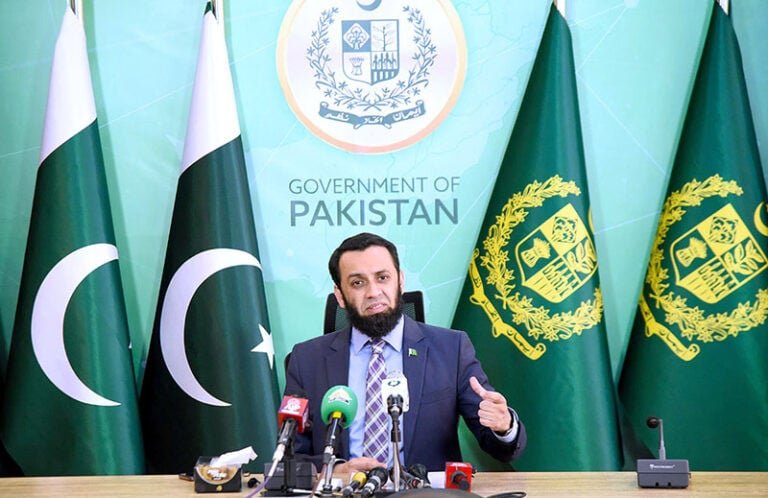
It’s against this backdrop that the new agreement arrives — not as a sudden breakthrough, but as the product of months of pressure, backchannel diplomacy, and mediation by Pakistan.
What’s Inside the US-Iran Deal 2026
The memorandum signed this week lays out a clear, if temporary, roadmap:
- A 60-day ceasefire window. Both sides have committed to a two-month negotiating period aimed at producing a final, comprehensive deal.
- Reopening the Strait of Hormuz. Analysts expect this move to ease pressure on global oil prices and restore shipping through the vital waterway, making it one of the most consequential parts of the agreement.
- Termination of military operations. The text calls for an immediate and permanent end to hostilities on all fronts, including in Lebanon — though Israel has indicated it does not intend to withdraw from Lebanese territory, leaving a key flashpoint unresolved.
- A path to nuclear talks. The deal is designed to set up follow-on negotiations over Iran’s nuclear program, which remains the central, unresolved issue driving the broader conflict.
- Economic incentives for Iran. In exchange for cooperation, the international community expects Iran to gain access to billions of dollars in previously frozen assets, along with relief from a number of US sanctions.
Reactions From Tehran and Washington
The deal has not been universally embraced, even by those who signed it. Iran’s Supreme Leader, Ayatollah Seyyed Mojtaba Khamenei, confirmed he authorised the agreement despite personally holding a “different view” of its terms. He characterised the outcome as one shaped by pressure and leverage from President Trump rather than mutual agreement.
On the American side, officials have struck a more measured tone. Vice President JD Vance noted that the 60-day negotiating period is now underway and that, so far, both countries appear to be honouring their initial commitments.
Why the US-Iran Deal 2026 Matters
This agreement is significant for a few reasons:
- Global energy markets. Reopening the Strait of Hormuz, through which a large share of the world’s oil transits, has direct implications for fuel prices worldwide.
- Regional stability. A pause in hostilities reduces the immediate risk of a broader Middle East war, though unresolved issues — particularly in Lebanon — could still reignite tensions.
- Nuclear diplomacy. If follow-on talks succeed, this could be the first real progress on Iran’s nuclear program since the original deal was abandoned years ago.
What Happens Next
The 60-day clock is now running. Negotiating teams from both countries are expected to work through the details of nuclear oversight, sanctions relief, and broader regional security arrangements. Whether this MOU becomes a lasting peace deal — or simply another pause before renewed conflict — will depend on how both sides navigate the next two months.
For now, the US-Iran deal 2026 represents a fragile but real opportunity, a chance to convert a ceasefire into something more durable, after a year defined by escalation, military buildups, and diplomatic breakdowns.